

Looper Textile Co. Publishes Its First Ever Visibility Report
Stockholm — Looper Textile Co., a European textile sorter, has published its Visibility Report 2025. An annual account of its collection, sorting, and redistribution operations, including a frank assessment of where downstream visibility ends.
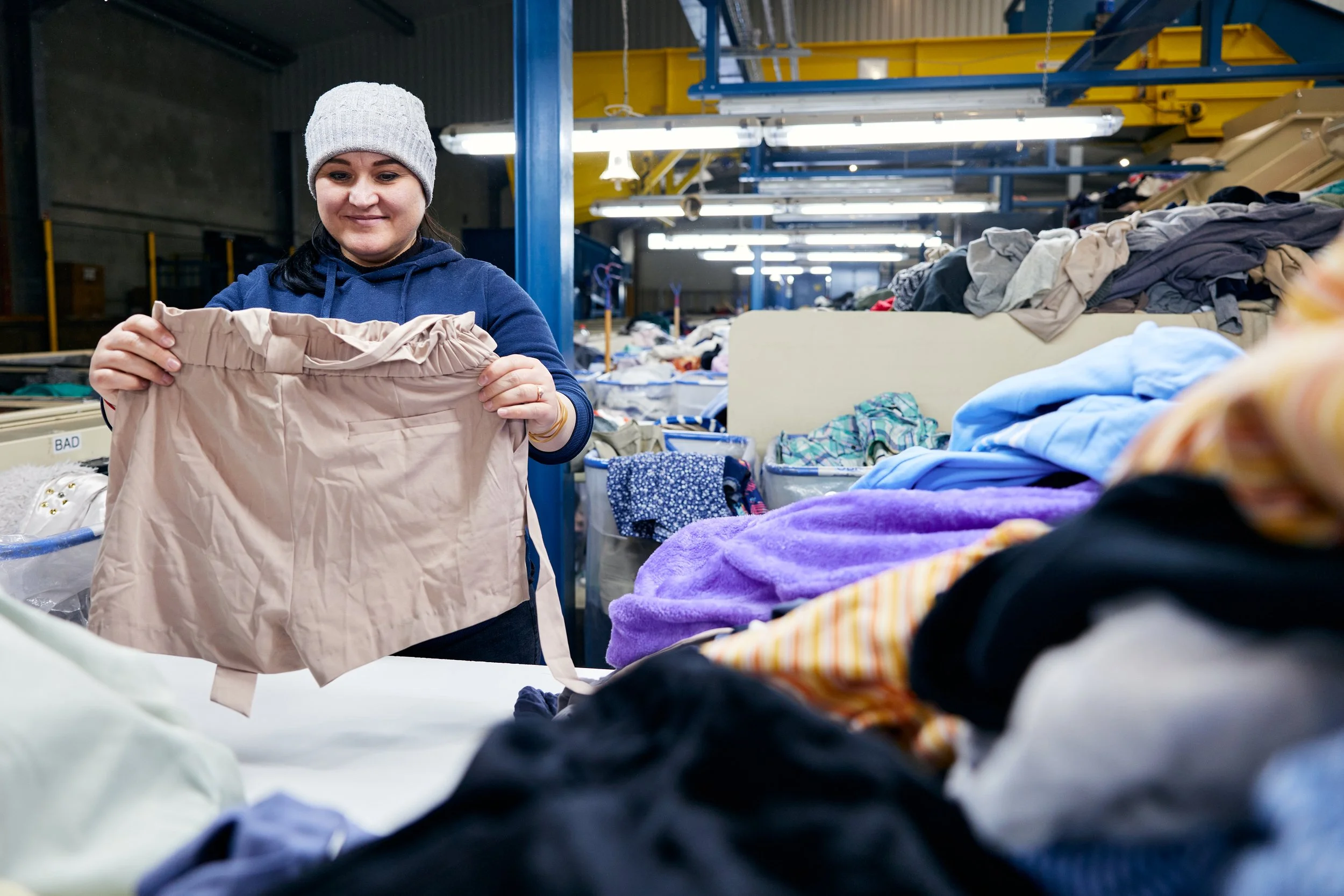
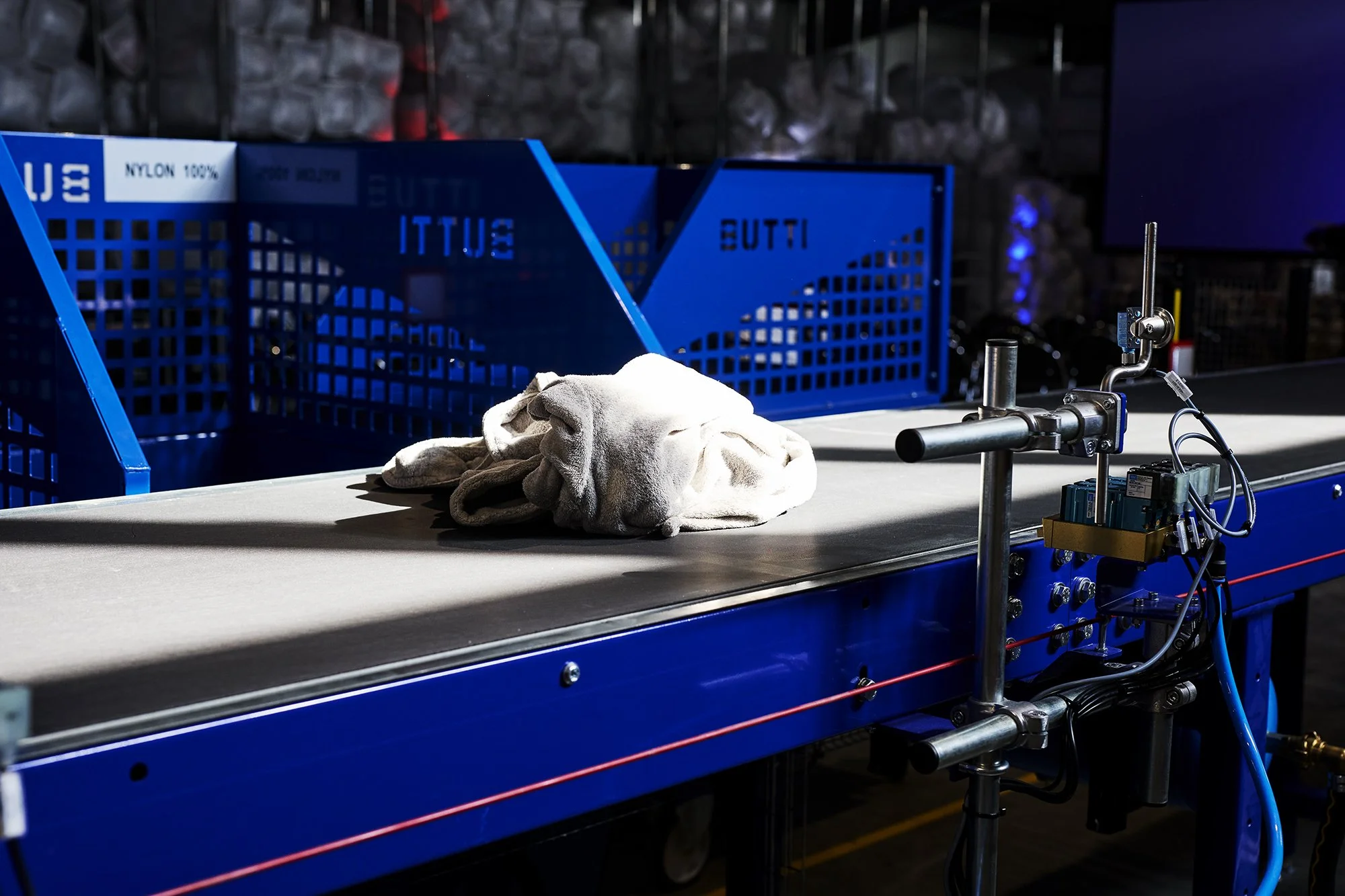
Manual Sorting at Polch, DE
In 2025, Looper sorted more than 110 million garments across its owned facilities and partner facilities globally, up from 70 million the year prior. Of volumes sorted, 63% were directed to reuse, 27% to recycling, and 10% to responsible disposal where no viable alternative existed.
Looper collected 31,000 tonnes across 44 countries, with 28,000 tonnes originating in Europe across 27 markets. Germany, Spain, and the United Kingdom accounted for the largest share of European collection volumes. A further 3,000 tonnes came from brand and retailer partners in Asia, North America, South America, and Australia.
Sorting at scale
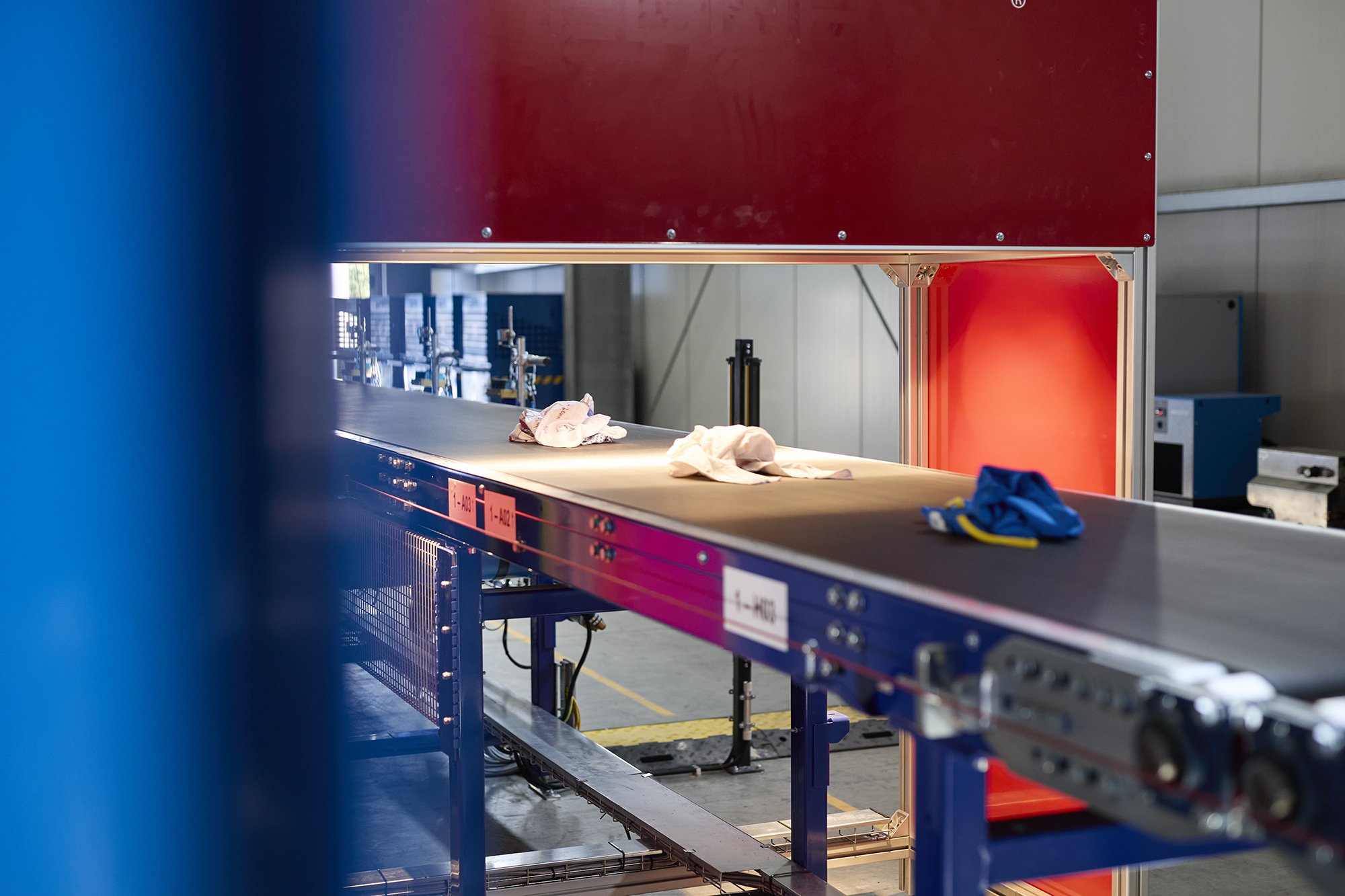
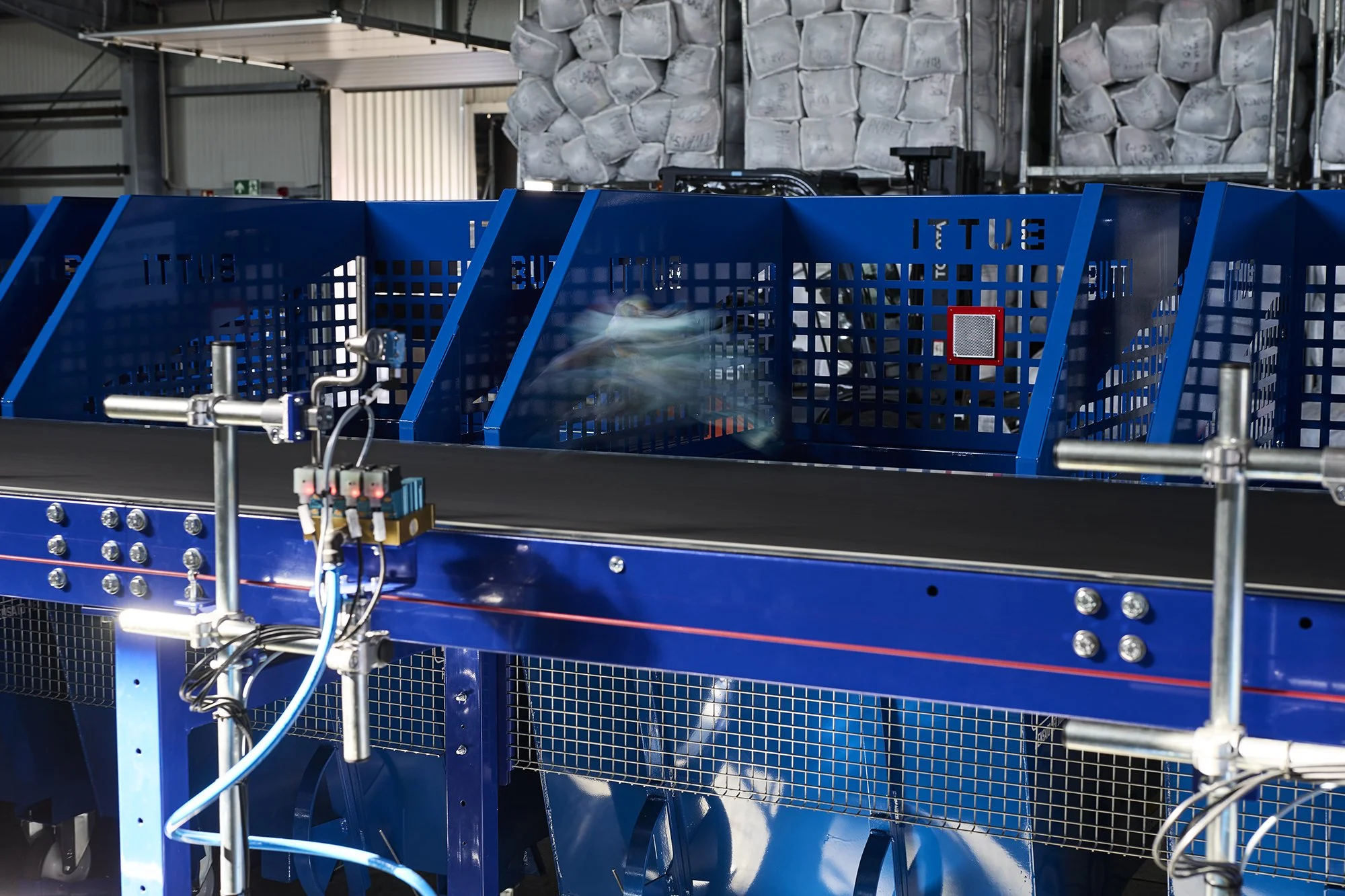
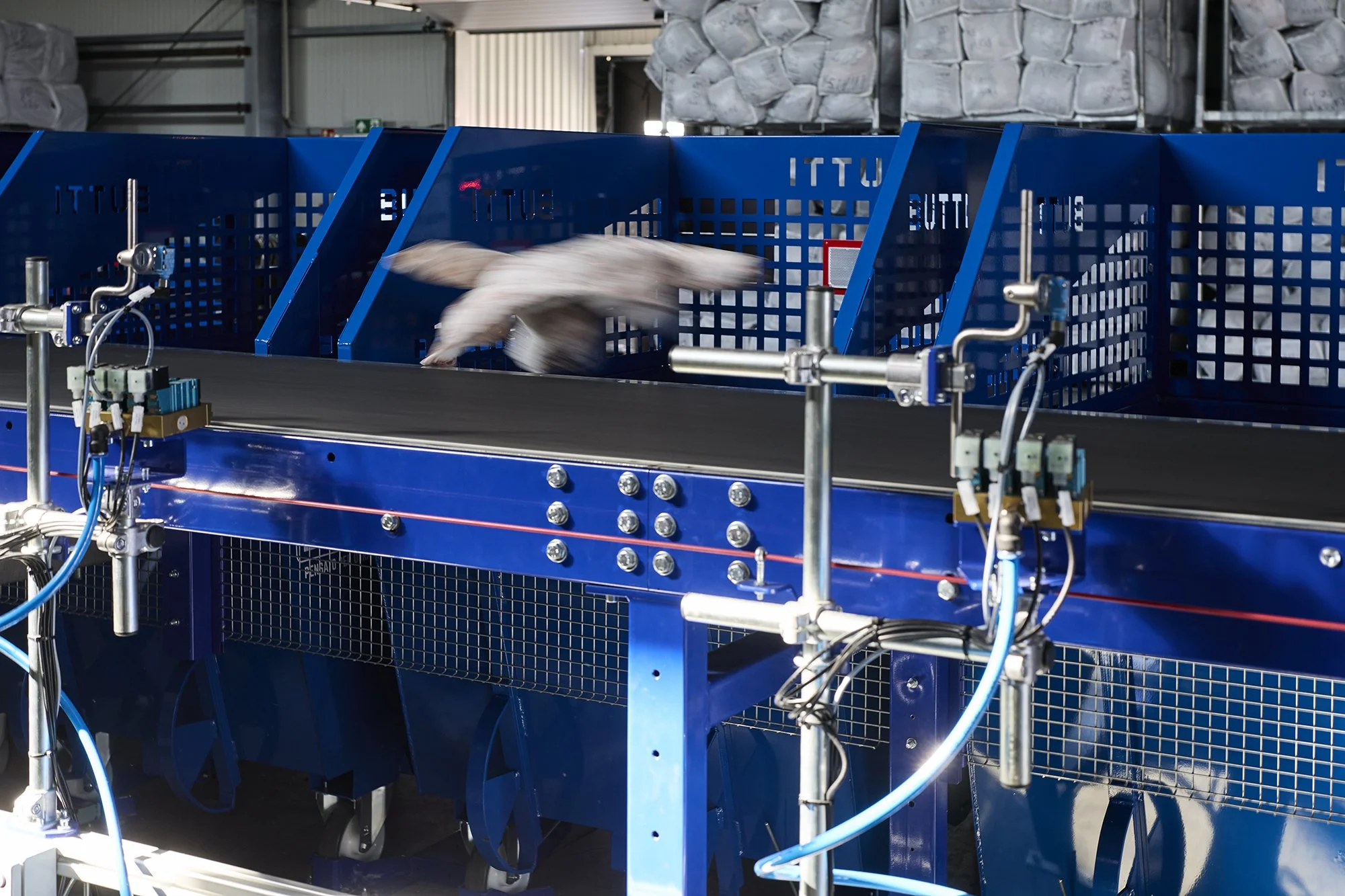
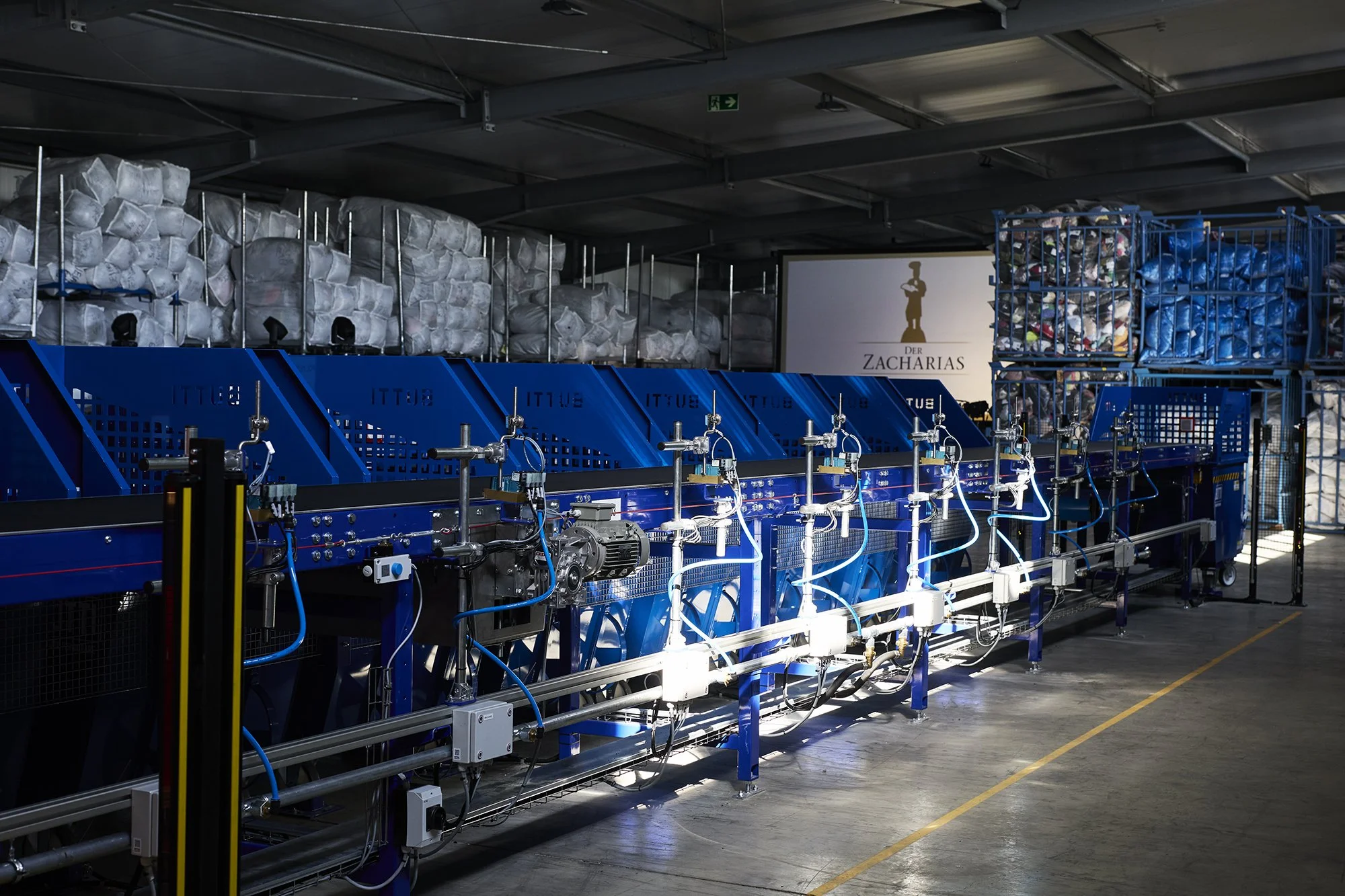
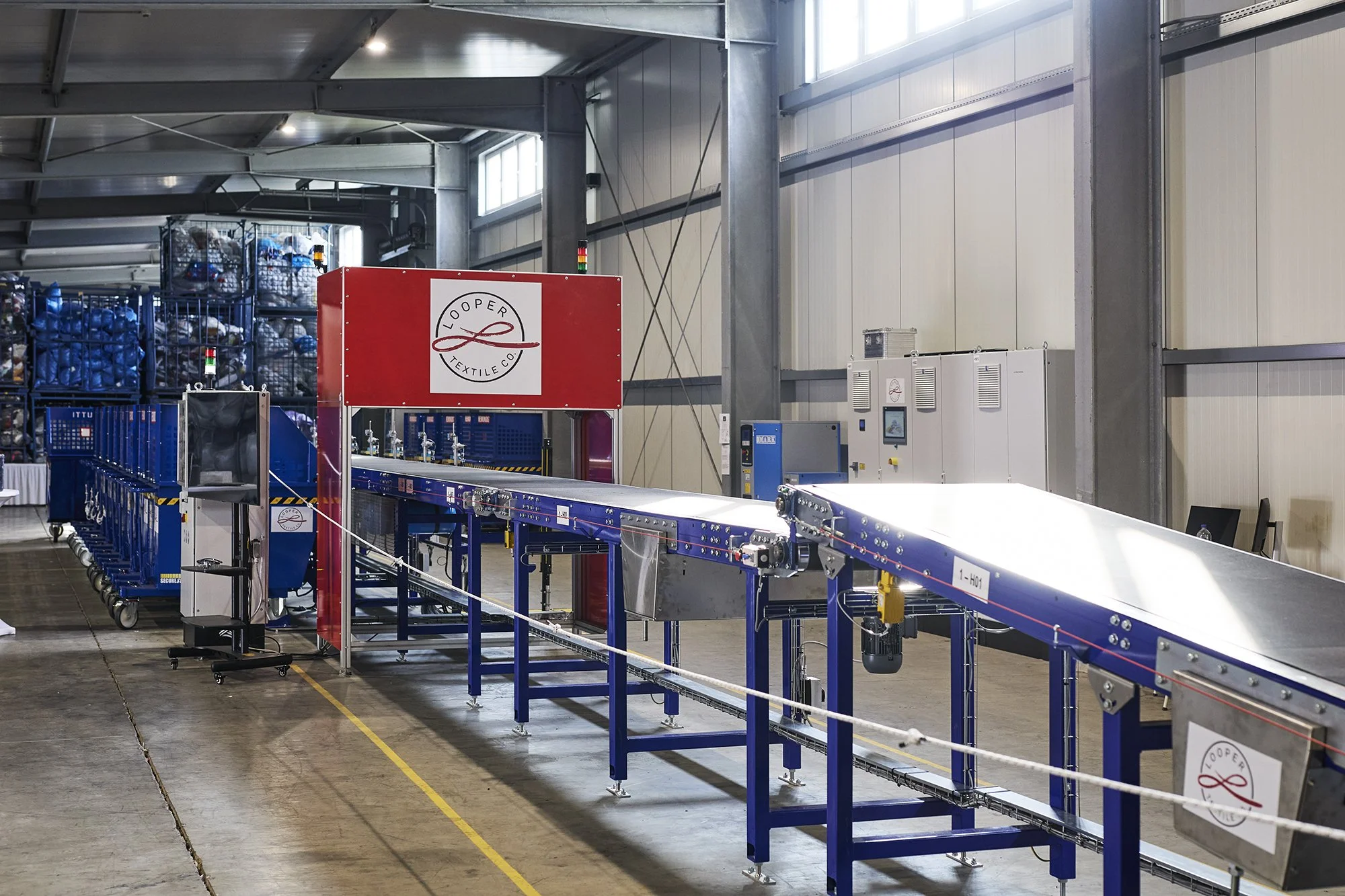
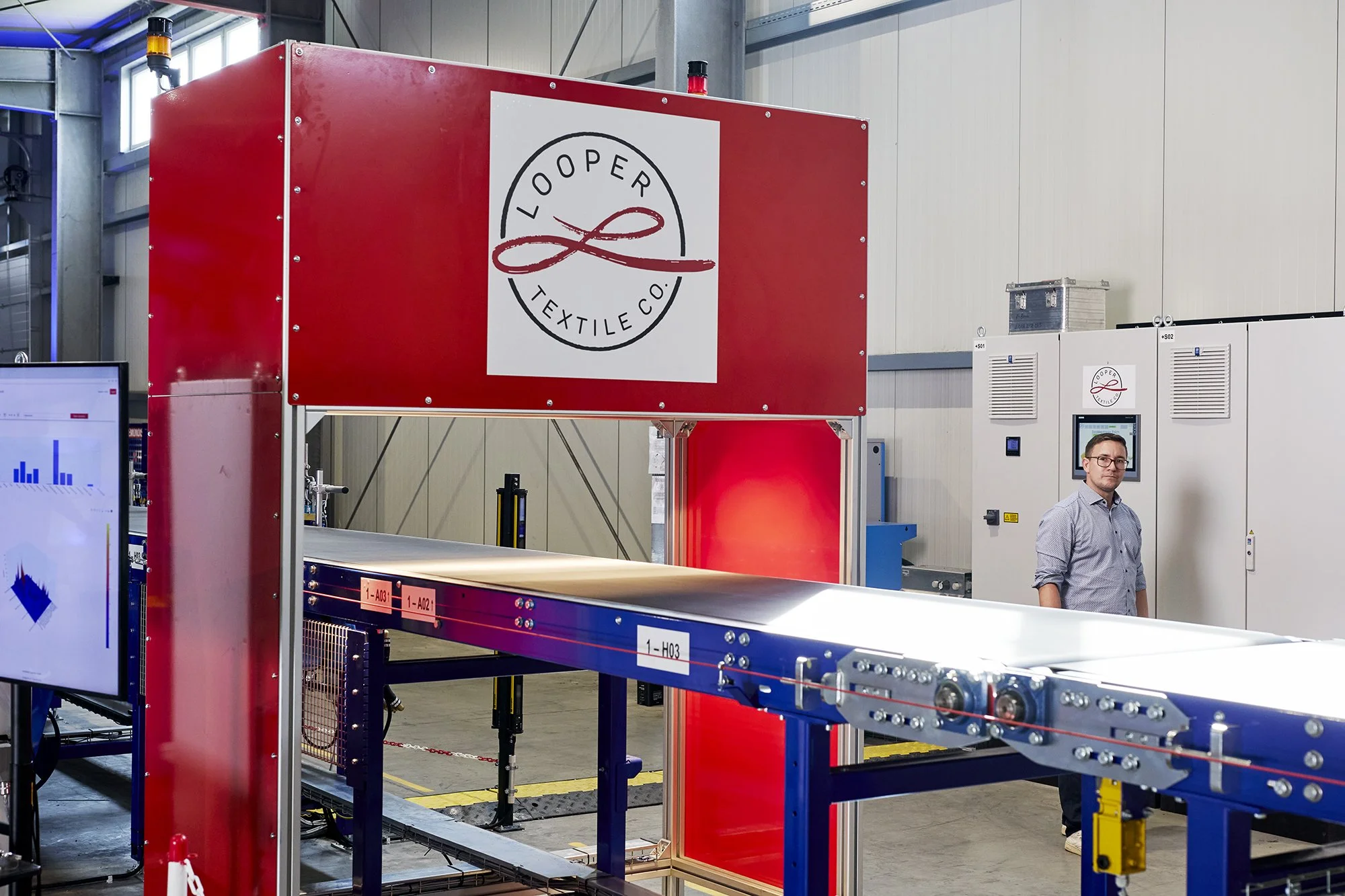
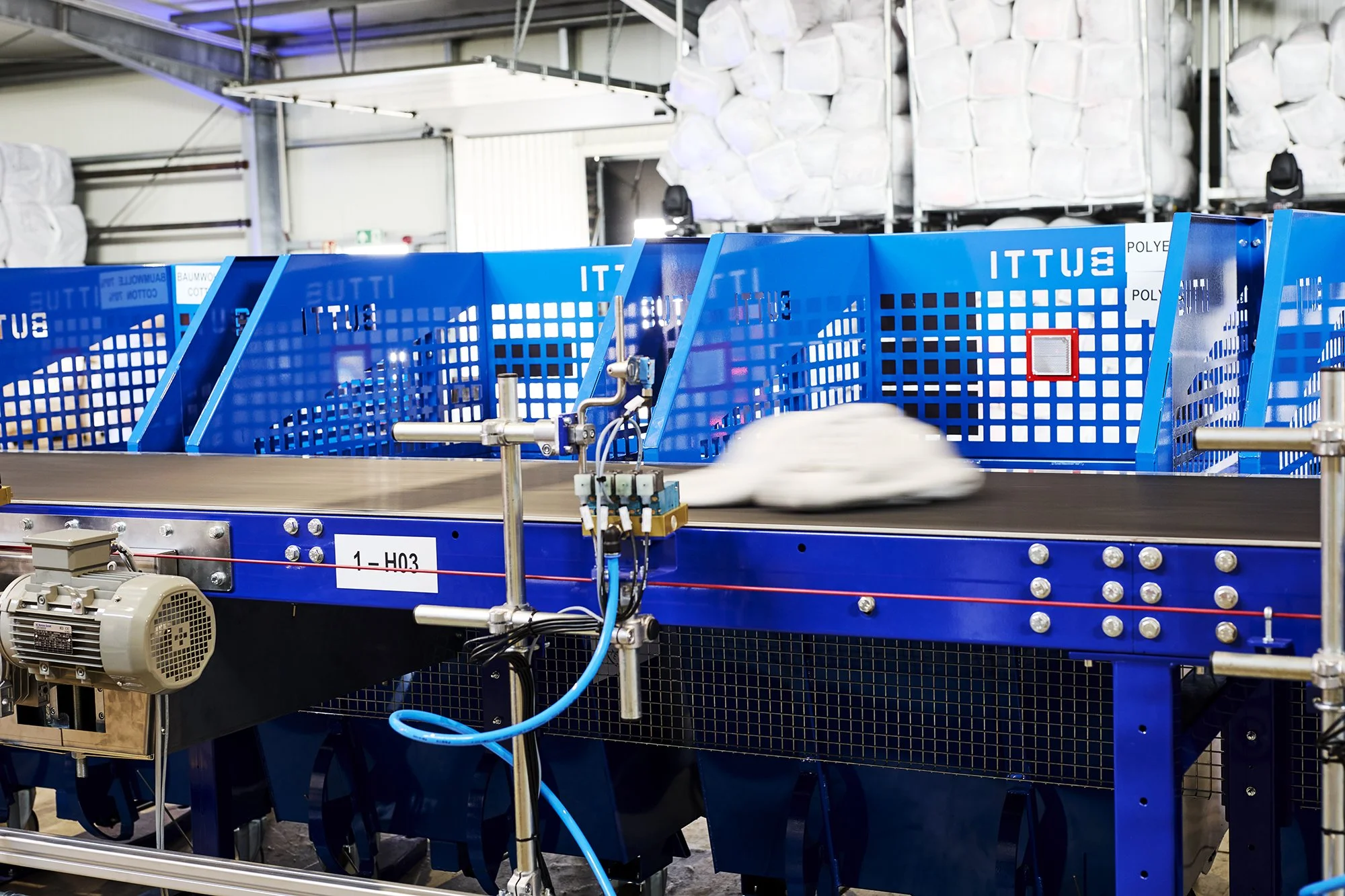
Looper operates three owned sorting facilities in Germany and Poland, employing more than 80 trained sorters. Its primary facility in Polch, Germany, processes more than 28 tonnes per day through a two-stage manual sorting process, classifying garments into over 300 categories based on condition, material, and market demand. A pilot NIR and optical sensor line, also at Polch, sorts textiles by fibre composition to meet the precision requirements of textile-to-textile recyclers– currently capable of processing more than 8 tonnes per day across 30+ material compositions.
Of the 27% directed to recycling, 90% went to open-loop applications– insulation, nonwovens, and automotive interiors– with 10% directed to closed-loop fibre-to-fibre recycling.
Where textiles go — and what Looper can and cannot track
Europe accounts for 46% of reuse volumes, Africa for 42%, with the Middle East and Asia each at 6%. The report's chapter on value chain visibility maps what Looper knows at each tier: full visibility at collection and sorting, verified records of all Tier 1 buyers by name and address, partial knowledge at the wholesaler level, and acknowledged opacity beyond that.
"End-to-end visibility, tracking each garment from collection to its final destination, remains a genuine challenge at the volumes we operate," said Erik Lagerblad, Chief Executive Officer of Looper Textile Co. "We do not pretend otherwise."
On the ground in 14 countries
Since 2023, Looper has conducted market deepdives in more than 14 countries, visiting second-hand markets, importers, and redistribution networks directly. Markets visited include all of the company's top 10 reuse destinations. In 2025, the company documented conditions in Cameroon, Ghana, Benin, and Togo, among others.
"A spreadsheet can tell you 7% of your reuse volumes went to Togo," said Ousman Touray, Business Development & Africa Sales at Looper Textile Co. "It can't tell you what Asiyeye Market looks like on a Tuesday morning. We go and see."
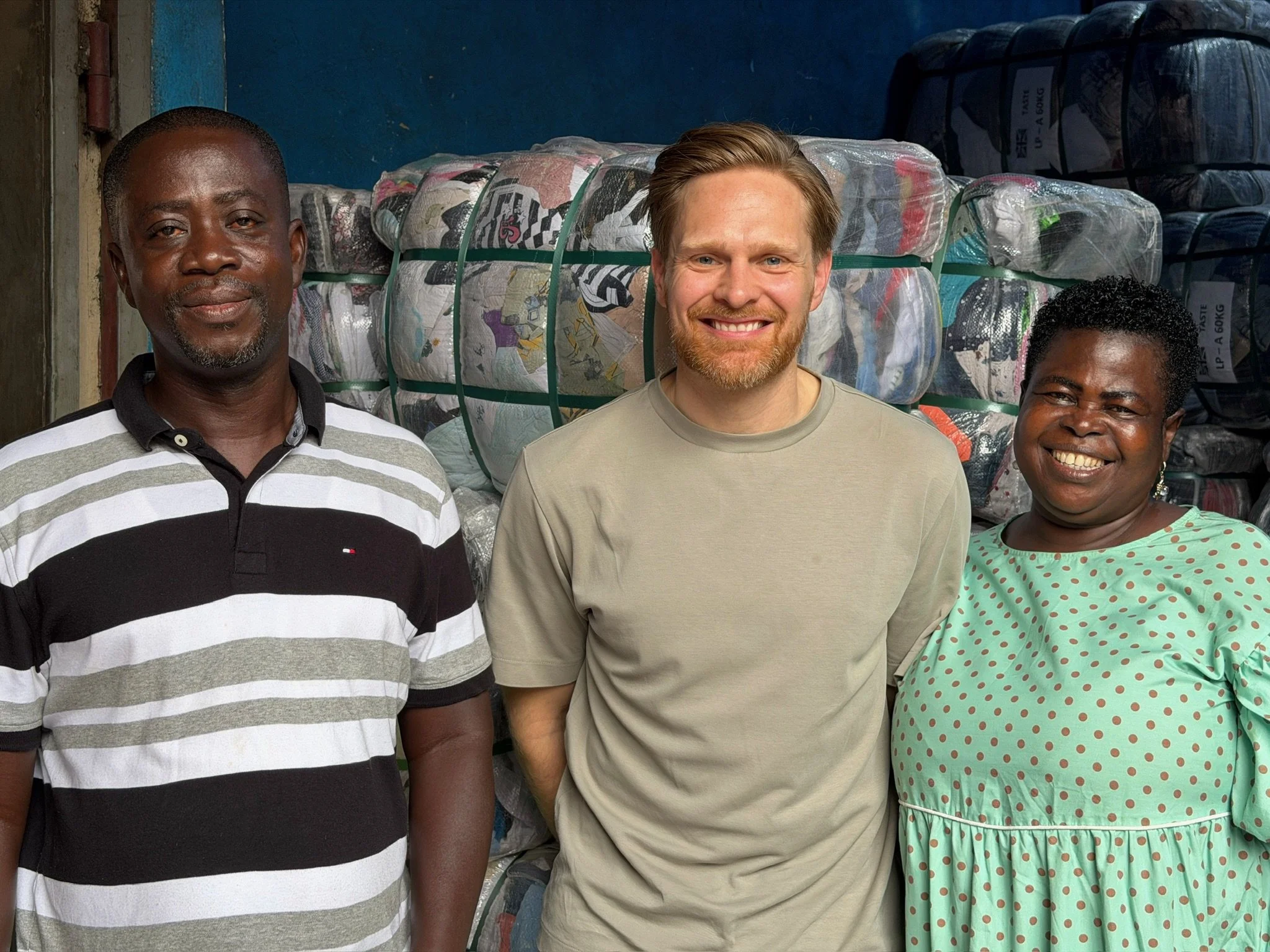
Looper CEO with second hand vendors in Kantamanto Market, Accra, Ghana
Looking ahead: EPR 2028
With EU Extended Producer Responsibility obligations for textiles becoming mandatory across all 27 member states in 2028, Looper positions the report as evidence of the infrastructure and transparency standards brands and retailers will need from compliant sorting partners.
"The infrastructure gap is real," said Marc Schubert, Deputy CEO of Looper Textile Co. "Sorting capacity– done right, at scale, with visibility– is what the industry is missing."
The Visibility Report 2025 is available for download at www.loopertextile.com/2025report
About Looper Textile Co. Looper Textile Co. collects used and discarded textiles and sorts them into their best possible next use– reuse, recycling, or responsible disposal. The company operates facilities in Polch and Hamburg, Germany, and Piła, Poland, with 12 sorting partners across four continents. Looper is jointly owned by H&M Group and REMONDIS.
Media contact: info@loopertextile.com or www.loopertextile.com